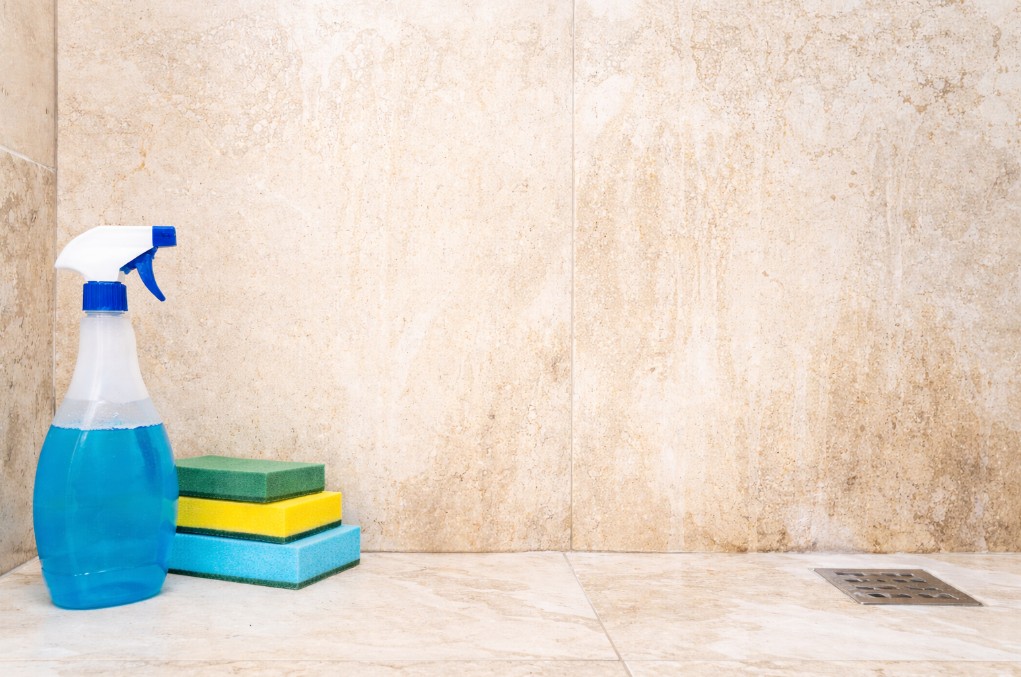
How to Erase Hard Water Spots from Limestone Shower Walls
Hard water spots on limestone can make a beautiful shower look cloudy and tired. One day the walls look soft and creamy, the next they look like they’ve been dusted with chalk.
The tricky part is that limestone is not like ceramic tile. It’s a natural stone that reacts to the wrong cleaner, so the usual “grab vinegar and scrub” approach can backfire fast. This guide walks you through a safe, practical way to remove hard water spots limestone shower walls get, plus how to keep them from coming back.
Why hard water spots show up on limestone (and why acids can cause trouble)
Hard water leaves behind minerals, mostly calcium and magnesium. When shower water dries on the wall, those minerals stay put as a white haze, crusty dots, or streaks.
Here’s the catch: limestone is calcium-based. Acidic cleaners (vinegar, lemon juice, many “lime remover” sprays) don’t just dissolve the mineral deposit, they can also etch the stone itself, leaving dull, rough patches that look worse than the original spots.
Quick prep: confirm what you’re seeing, then gather the right supplies
Before cleaning, run your fingers over the spots:
- Raised and rough usually means mineral buildup.
- Smooth but dull can be etching (surface damage), not buildup.
If you’re not sure, treat it like mineral buildup first and test in a hidden corner.
What you’ll want on hand:
- pH-neutral stone cleaner (labeled safe for limestone)
- Distilled water (helps prevent new spots while you clean)
- Two microfiber cloths
- A soft, non-scratch sponge
- A soft nylon brush for grout lines (optional)
- A spray bottle
- Dry towel
Step-by-step: how to remove hard water spots from limestone shower walls safely
You don’t need to attack limestone like it owes you money. Think of it like cleaning a fine wood table. Gentle, repeated passes beat aggressive scrubbing.
1) Rinse the walls with warm water
Warm water softens soap residue and loosens surface grime. Give the wall a thorough rinse so you’re not grinding dirt into the stone.
2) Spray on a pH-neutral stone cleaner
Apply your stone-safe cleaner to a manageable area, about 3 to 4 square feet. Let it sit for the dwell time on the label (usually a few minutes).
If you’re mixing your own, use distilled water in the spray bottle. Tap water can add more minerals while you work.
3) Wipe, don’t scour
Use a damp microfiber cloth or a soft sponge and wipe in small circles. Keep pressure light. Limestone rewards patience.
If the spots are in a vertical streak pattern, wipe top to bottom so you can see what’s improving.
4) Treat stubborn mineral dots with a “wet hold”
For spots that laugh at wiping, try this:
- Wet a microfiber cloth with distilled water and stone cleaner.
- Press it against the spotted area for 5 to 10 minutes.
- Wipe again with the soft sponge.
This keeps the deposit hydrated, which helps it release without harsh chemicals.
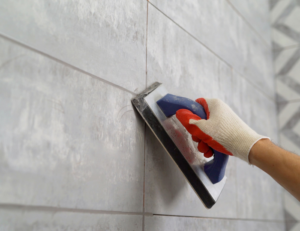
5) Detail the grout lines carefully
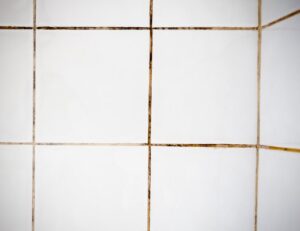
Mineral haze often clings where stone meets grout. Use a soft nylon brush on grout only, and avoid scrubbing the limestone edges hard.
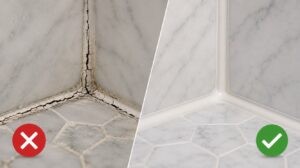
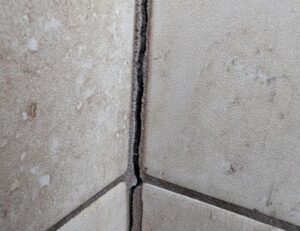
If grout is rough, cracking, or missing, cleaning won’t fix that. It may need repair or regrouting.
6) Rinse twice, then dry fully
Rinse the cleaned area well, then rinse again. Leftover cleaner can leave a film that looks like “new spots.”
Dry with a towel or clean microfiber cloth right away. Air-drying is how hard water wins.
7) Repeat on the next section
Work across the shower in sections. It’s normal to need two passes on older buildup, especially in Naperville-area homes with mineral-heavy water.
When spots won’t budge: buildup vs. etching (they look similar)
Sometimes you’re not fighting deposits anymore, you’re seeing stone damage. Here’s a quick way to tell what’s going on.
| What you see on limestone | What it usually is | What helps |
|---|---|---|
| White crust that feels raised | Mineral scale (hard water deposits) | Gentle cleaner, wet hold, repeated passes |
| Grayish film that smears when wiped | Soap scum mixed with minerals | pH-neutral cleaner, more rinse and wipe cycles |
| Dull, pale patch that feels smooth | Etching (chemical reaction) | Polishing or honing, not a cleaner |
If you suspect etching, stop experimenting with stronger products. Many “calcium remover” ideas online are acid-based and risky for limestone.
How to keep hard water spots off limestone after you clean it
Once your walls look good again, the goal is simple: don’t let water dry on the stone.
Squeegee habit: A 30-second squeegee after each shower is the closest thing to a cheat code. Follow with a quick wipe of corners where water likes to sit.
Use the right weekly cleaner: Stick with pH-neutral products made for natural stone. Avoid bleach, vinegar, and “foaming bathroom” sprays unless they clearly say they’re safe for limestone.
Ventilation matters: Run the fan long enough to dry the shower. If humidity lingers, water spots get extra time to form.
Seal the stone and grout: Sealing doesn’t make limestone waterproof, but it helps slow absorption and makes routine cleaning easier. If you can’t remember when it was last sealed, there’s a good chance it’s due.
When DIY isn’t enough: pro help for Naperville-area limestone showers
If your limestone looks dull even after safe cleaning, or if white spotting returns quickly, the issue may be deeper than surface haze. Heavy mineral buildup can bond to the stone, and etched limestone needs restoration, not stronger cleaners.
For homeowners in Naperville and nearby suburbs, it can help to work with a team that cleans and restores tile, grout, and natural stone every day. If you want to learn what that process looks like and why experience matters, start here: https://groutguy.com/why-choose-us/
If you’d rather skip the trial-and-error (or you’re seeing grout damage, missing caulk, or water intrusion signs), schedule a quote here: https://groutguy.com/contact/
And if you’re planning a shower refresh anyway, it’s worth checking current specials before you book: https://groutguy.com/coupons/
Conclusion
Hard water spots on limestone don’t mean your shower is “ruined,” but they do mean your stone needs a gentler plan. Stick with pH-neutral cleaning, slow down the scrubbing, and dry the walls so minerals can’t set up camp again. If the haze is actually etching, cleaning won’t fix it, restoration will. With the right approach, you can remove hard water spots limestone walls collect and get back that natural, even finish that made you choose limestone in the first place.