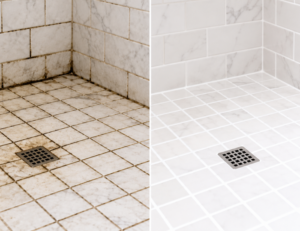
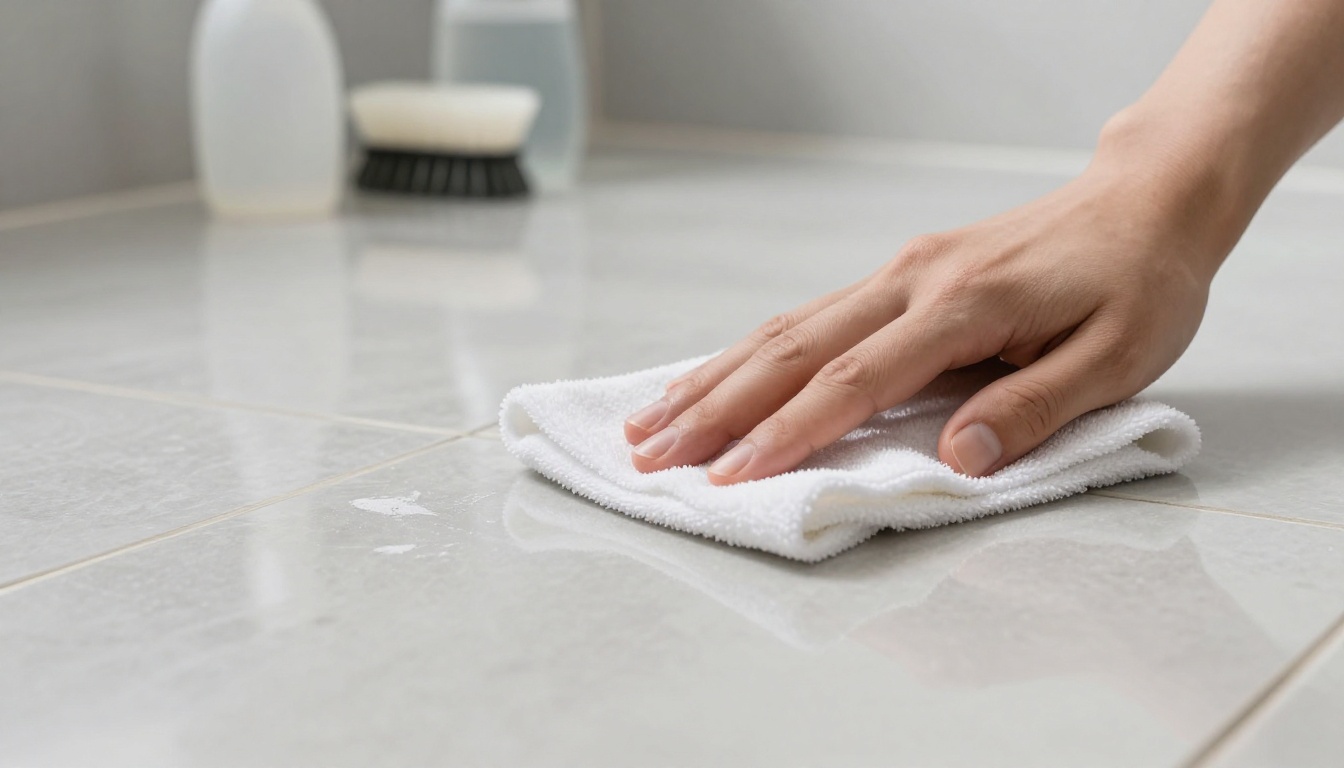
You finish grouting, step back, and the tile looks… cloudy. That chalky film can make brand-new porcelain look tired, like someone rubbed dust into the surface. The good news is grout haze is usually removable, even on porcelain, as long as you don’t attack it with the wrong cleaner or pad.
This guide walks you through safe, practical methods to remove grout haze porcelain tile owners run into most often, starting gentle and only stepping up when you need to.
What grout haze is (and why porcelain can look dull fast)
Grout haze is a thin layer of dried grout residue left on the tile face after installation or regrouting. It often shows up once everything dries, when the room lights hit the surface just right. On textured porcelain, it can lodge in tiny pits and grooves, so it looks worse and takes longer to remove.
Porcelain itself is tough, but the finish is what you’re protecting. Some porcelain is glossy, some is matte, and some has a texture meant to mimic stone or wood. The wrong approach can leave behind micro-scratches that catch light, or a cleaner film that makes the tile look “flat.”
A few common reasons haze hangs on:
- The grout wasn’t washed off soon enough during installation.
- The rinse water got too dirty and spread residue around.
- The tile has texture or a matte finish that holds fine powder.
- The grout joints were overtooled, pushing grout onto the tile face.
If you want a clear breakdown of how haze forms and why it can be stubborn, see this overview on removing grout haze from porcelain tile. The big takeaway is simple: haze is normal, but harsh removal methods aren’t.
Before you start, confirm it’s haze and not a factory coating, hard-water film, or construction dust. A quick test helps: dampen a small area with warm water and rub with a microfiber cloth. If the haze lightens, you’re dealing with grout residue, and you can usually remove it without dulling the finish.
Start gentle: safe first-pass methods that won’t scratch porcelain
If the haze is light, skip the strong stuff. Think of haze like flour on a countertop. You don’t need a chisel, you need the right wipe and rinse.
Let the grout cure first. Many installers wait 24 to 48 hours, but follow the grout maker’s label if you have it. Cleaning too early can pull grout from joints or smear more residue onto the tile.
Here’s a safe, low-risk process that works well for mild haze:
- Dry dust first: Sweep or vacuum the tile so grit won’t scratch while you wipe.
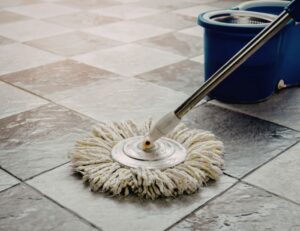
- Dampen, don’t soak: Use warm water and a microfiber cloth or well-wrung sponge. Wipe in small sections.
- Buff as you go: Immediately dry the area with a clean microfiber towel. This is where a lot of haze disappears.
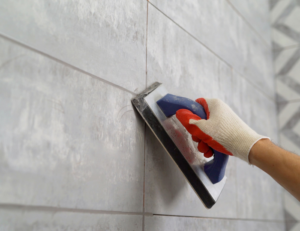
- Use a rubber grout float if needed: Drag it gently across the tile like a squeegee to lift powdery residue, then wipe and rinse again.
Two details matter more than people expect. First, keep flipping to a clean side of the cloth. Second, change rinse water often. Dirty water is like washing a car with muddy water, you just move the film around.
Avoid abrasive pads and “scrubby” sponges at this stage, even if the tile feels durable. Porcelain can handle traffic, but some finishes show fine scratching under angled light.
When haze won’t budge: choosing the right haze remover (and using it safely)
If gentle wiping doesn’t work, you’re likely dealing with heavier residue, or haze that has fully cured. This is where many DIY jobs go sideways. People reach for straight vinegar, heavy acids, or rough pads, then wonder why the tile looks less crisp afterward.
For porcelain, a pH-balanced grout haze remover is usually the safest next step. These are made to break down cement residue without being overly aggressive. Product directions vary, so always read the label, then do a small test spot in a low-visibility area.
A practical method that protects the finish:
- Wet the tile surface lightly first (a damp surface helps the cleaner spread evenly).
- Apply the haze remover to a small section.
- Let it sit briefly (often 5 to 10 minutes, don’t let it dry on the tile).
- Agitate gently with a microfiber cloth or a non-abrasive pad labeled safe for tile.
- Rinse thoroughly with clean water, then rinse again.
- Dry with a microfiber towel to prevent new film from forming.
What about vinegar, detergent paste, or a floor buffer?
These can work, but they’re situational.
A diluted vinegar mix (commonly 1 part vinegar to 4 parts water) is sometimes used on glazed porcelain for stubborn cement haze, but it’s easy to overdo. Rinse immediately and don’t repeat it over and over. If you’re unsure whether your porcelain is glazed, skip vinegar and use a purpose-made haze remover instead.
For textured porcelain that traps residue, a mild detergent paste and patient scrubbing can help, but use a soft brush or cloth, not anything that feels gritty.
For large floors with widespread haze, a rental buffer with the correct non-abrasive pad can speed things up. The risk is using a pad that’s too aggressive, or letting slurry dry back onto the tile. If you go this route, work in small zones and wet-vac the dirty water quickly.
Signs it’s time to call a pro
If the haze covers a big area, the tile is heavily textured, or you’re seeing swirl marks after cleaning, it may be safer to hand it off. Pros have commercial tools, controlled chemistry, and the experience to remove residue without changing the sheen.
If you’re in Naperville or nearby suburbs and want the tile restored without trial-and-error, see Why Choose The Grout Medic for Tile Restoration. If the job is already on your list, it’s also worth checking current Grout & Tile Service Coupons in Naperville before you book.
Conclusion
Grout haze is frustrating, but it doesn’t have to be permanent, and it shouldn’t cost you your tile’s shine. Start with microfiber, clean water, and a careful buff, then step up to a pH-balanced haze remover only if needed. The goal is simple: remove the residue, not the finish.
If you’re staring at a whole floor of haze, or a textured porcelain shower that won’t clear up, getting help can be the fastest path back to clean, bright tile.