Grout plays a crucial role in keeping tile surfaces stable, protected, and visually appealing. When grout begins to crack or disappear entirely, many homeowners assume it’s just a cosmetic issue. In reality, damaged grout can lead to much bigger problems if it isn’t addressed.
Understanding the difference between cracked grout and missing grout can help you determine when your tile surfaces simply need maintenance and when professional repair is necessary.
What Causes Grout to Crack?
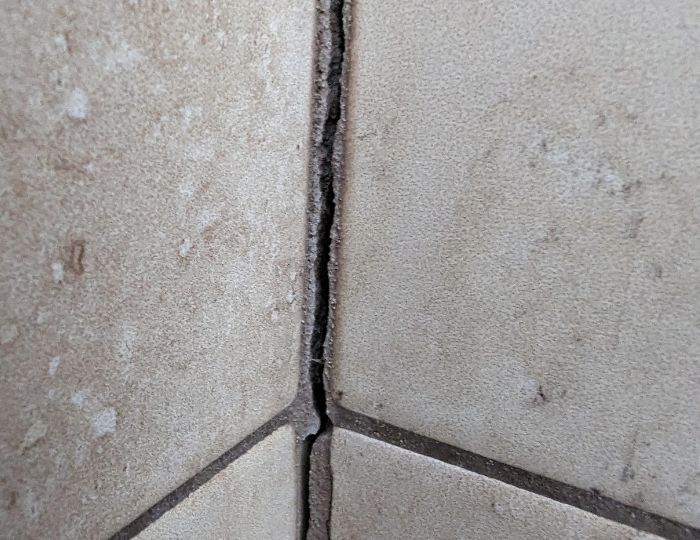
Cracked grout is one of the most common issues homeowners notice with tile floors and showers. Small fractures can develop in grout lines due to normal movement in the home.
Several factors often contribute to grout cracking:
-
Natural settling of the home
-
Heavy foot traffic on tile floors
-
Temperature and humidity changes
-
Improper tile installation
-
Movement in the subfloor
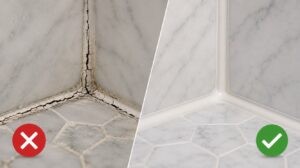
When grout cracks, it creates small openings where moisture and dirt can enter. Over time, these cracks can widen, leading to further deterioration.
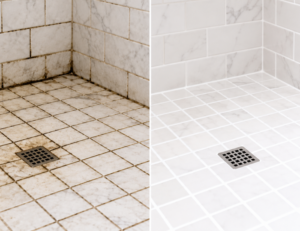
Professional services like grout restoration and tile repair can remove damaged grout and replace it with durable material designed to last longer.
Why Grout Sometimes Falls Out Completely
Missing grout usually indicates a more advanced stage of grout deterioration. When grout crumbles or falls out, it leaves visible gaps between tiles.
This can happen when grout has been weakened by:
-
Long-term moisture exposure
-
Water damage behind tile surfaces
-
Years of wear and tear
-
Improper installation
-
Repeated use of harsh cleaning chemicals
Without grout to hold them in place, tiles can begin to shift or loosen. In these cases, professional repair is often required to restore both the appearance and structural stability of the tile surface.
Services such as regrouting can replace failing grout lines and reinforce the integrity of the tiled area.
Why Ignoring Grout Damage Can Lead to Bigger Problems
It’s easy to overlook damaged grout, but ignoring it can allow water to penetrate beneath the tile surface.
When moisture reaches the substrate beneath the tile, it may cause:
-
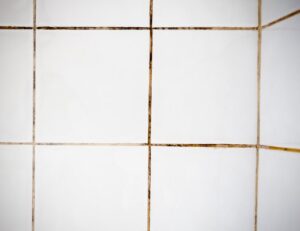
Mold and mildew growth
-
Loose or hollow tiles
-
Water damage behind walls
-
Structural deterioration of flooring materials
If water intrusion has already occurred, professional water damage repair may be necessary to prevent further problems.
Addressing grout issues early can help avoid costly repairs later.
How Professionals Repair Damaged Grout
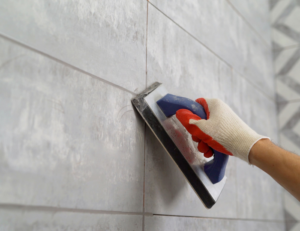
Professional grout repair involves more than simply filling cracks. Technicians carefully remove damaged grout and evaluate the condition of the tile and surrounding materials.
The repair process may include:
-
Removing failing grout
-
Deep cleaning tile joints
-
Replacing grout with fresh material
-
Repairing loose or damaged tiles
-
Sealing or protecting grout for long-term durability
Professional tools and techniques ensure the new grout bonds properly and provides lasting protection.
Protecting Your Tile After Grout Repair
Once grout has been repaired or replaced, protecting it is key to preventing future damage.
Many homeowners choose services like color sealing after grout repair. Color sealing creates a protective barrier that resists stains, moisture, and dirt while also restoring a consistent grout color.
Regular maintenance and proper cleaning also help extend the life of grout and tile surfaces.
You can explore additional services through the company’s services overview or learn more about long-term care through the after care page.
TL;DR / Key Takeaways
-
Cracked grout often results from normal movement, traffic, or installation issues.
-
Missing grout usually indicates more advanced deterioration.
-
Damaged grout can allow water to reach the surface beneath tiles.
-
Ignoring grout damage may lead to mold growth or loose tiles.
-
Professional regrouting and restoration services can repair grout and protect tile surfaces.