
Fall is a good time to inspect the parts of your home that are easy to overlook during everyday cleaning, and your shower should be high on that list.
Grout and caulk do more than contribute to the appearance of a bathroom. They also play important roles in protecting joints and tiled surfaces in areas that are regularly exposed to water. When grout begins cracking or caulk starts separating, simply cleaning the shower won’t correct the underlying problem.
At The Grout Medic, we help homeowners throughout Naperville and West and Southwest Chicagoland restore tile, grout, and caulk before minor deterioration becomes a much more frustrating issue.
Here are seven warning signs worth checking before winter.
1. Your Shower Grout Is Cracking
Small grout cracks can be easy to dismiss, especially when the surrounding tile still looks good.
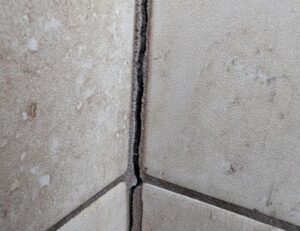
But grout should not be crumbling, splitting, or disappearing from the joints between tiles.
Cracking can occur as materials age or experience movement and repeated exposure to moisture. Once deterioration becomes visible, repeatedly scrubbing the area won’t restore the missing or damaged material.
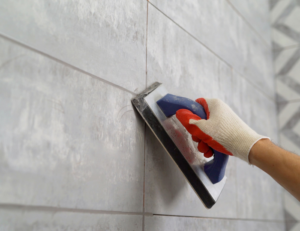
Depending on its condition, professional regrouting may be needed to restore deteriorated grout.
If you’re evaluating the entire shower, inspect corners, lower wall sections, and areas around fixtures carefully rather than focusing only on the most visible sections.
2. Caulk Is Pulling Away From the Surface
Caulk is designed for joints where some flexibility is necessary, including common areas around tubs, showers, and changes in plane.
Over time, it can shrink, crack, peel, or separate.
Once you see a gap between the caulk and the adjoining surface, that’s a sign the joint deserves attention.
The Grout Medic provides professional bathroom caulking services, including bathroom caulking in Naperville and other communities throughout the service area.
Our guide to the role of grout and caulk in water-damage prevention also explains why maintaining these materials matters.
3. Discoloration Keeps Coming Back
Some discoloration is a cleaning issue. Other discoloration can signal that an area needs closer inspection.
If you clean your grout or caulk and dark staining quickly returns, don’t simply reach for a stronger cleaner.
Look at the condition of the material itself.
Is the caulk deteriorating? Are there cracks or gaps nearby? Does the grout remain stained even after careful cleaning?
Professional steam cleaning can help address tile and grout that needs deeper cleaning, while physically damaged grout or caulk may require restoration rather than additional scrubbing.
Know When Cleaning Isn’t Enough
This distinction is important.
Cleaning removes unwanted buildup. It doesn’t replace missing grout or restore caulk that has pulled away.
If you’re unsure which problem you’re dealing with, our article on repairing water damage to grout and caulk provides additional context about when professional solutions may be appropriate.
4. Grout Is Missing Between Tiles
Missing grout is more obvious than minor cracking, but homeowners sometimes postpone repairing it because the tiles themselves still appear secure.
That’s not a good reason to ignore the problem.
Open joints should be evaluated, particularly in frequently wet environments such as showers.
Check around the entire enclosure rather than examining only eye-level areas. Lower sections of the shower can be especially important because they’re routinely exposed to water.
Professional regrouting can restore deteriorated joints without automatically assuming the entire tiled area needs replacement.
5. You Notice Loose or Damaged Tile
Grout and caulk aren’t the only things to inspect.
Pressing aggressively on tile isn’t recommended, but during routine cleaning you may notice a tile that moves, sounds different, appears cracked, or no longer sits correctly.
Those signs deserve attention.
Tile damage can indicate a localized repair issue or a larger problem that should be evaluated before additional deterioration occurs.
The Grout Medic offers a range of tile and grout restoration services designed to address different conditions instead of relying on a one-size-fits-all approach.
6. Your Shower Looks Old Even After a Deep Cleaning
Sometimes the shower is technically clean but still doesn’t look refreshed.
Old grout may be permanently discolored. Caulk may be yellowed or uneven. Tile can be surrounded by joints that make the entire enclosure look older than it actually is.
This is where restoration can make a significant visual difference.
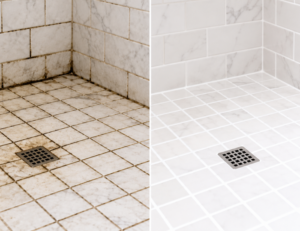
Professional grout cleaning can address embedded buildup, while color sealing can help protect and improve the appearance of appropriate grout.
Deteriorated caulk may instead need replacement.
The right solution depends on what’s actually making the shower look worn.
7. You’ve Been Postponing the Same Repair
If you’ve noticed the same crack, gap, stained grout line, or deteriorating caulk for months, fall is a good time to finally address it.
Bathroom problems rarely become more convenient because they’re ignored.
Winter also means households often spend more time indoors, and holiday guests can put bathrooms under additional use.
Instead of waiting until a visible issue becomes harder to ignore, use fall as an annual reminder to inspect tiled showers and bathrooms.
Homeowners can also review The Grout Medic’s after-care recommendations to learn how to care for restored surfaces after professional service.
What Should You Inspect Before Winter?
Start with a simple visual inspection.
Look closely at:
- Shower corners and edges
- Grout between wall and floor tiles
- Caulk around tubs and shower pans
- Areas around fixtures
- Lower sections of shower walls
- Cracked or loose tile
- Recurring discoloration
- Missing grout
- Separating or peeling caulk
Don’t assume every dark grout line needs replacement or every old shower needs renovation.
Sometimes professional cleaning is enough. Other situations call for regrouting, recaulking, or localized restoration.
A professional assessment can help determine which approach makes sense.
Get Your Shower Ready for the Season Ahead
Your shower gets exposed to moisture day after day, making grout and caulk maintenance an important part of bathroom care.
Cracks, gaps, loose tile, recurring discoloration, and deteriorating caulk are all reasons to take a closer look.
The Grout Medic provides professional tile, grout, and caulk services for homeowners throughout the Chicagoland communities it serves. If your shower needs more than another round of scrubbing, explore our professional restoration services and determine the right next step.
Key Takeaways
Cracked or missing grout should be evaluated rather than repeatedly covered up or ignored.
Caulk that is peeling, splitting, or pulling away from adjoining surfaces may need replacement.
Recurring discoloration doesn’t always mean you need a stronger cleaner. Determine whether you’re dealing with buildup or deteriorated material first.
Loose or damaged tile deserves attention, particularly in frequently wet areas.
Fall provides a convenient opportunity to inspect showers and bathrooms before heavier indoor use during winter.